

Social Stock Exchange
The Social Stock Exchange (SSE) is an electronic fundraising platform under the regulatory ambit of the Securities and Exchange Board of India (SEBI). It was proposed in the Budget Speech for FY 2019-20 by the Hon’ble Finance Minister, Nirmala Sitharaman. The SSE aims to list social enterprises and voluntary organizations working towards social welfare objectives, enabling them to raise capital through issue of Zero Coupon Zero Principal Bonds (ZCZP)
Restoring Ecological Diversity and Enhancing Nutrition
Empowering 125,000 Families with Sustainable Tree Planting
Requirement of Funds and Utilization of Net Proceeds
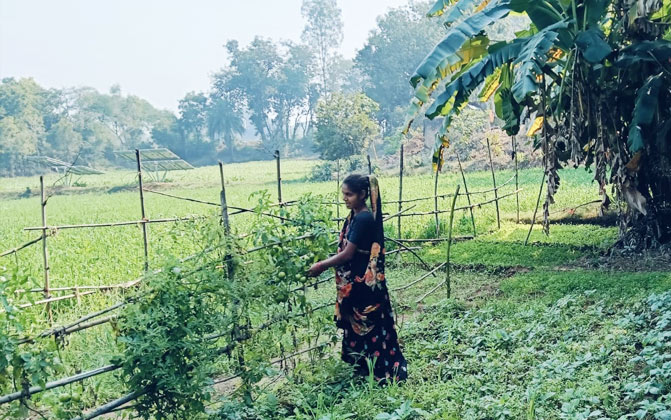
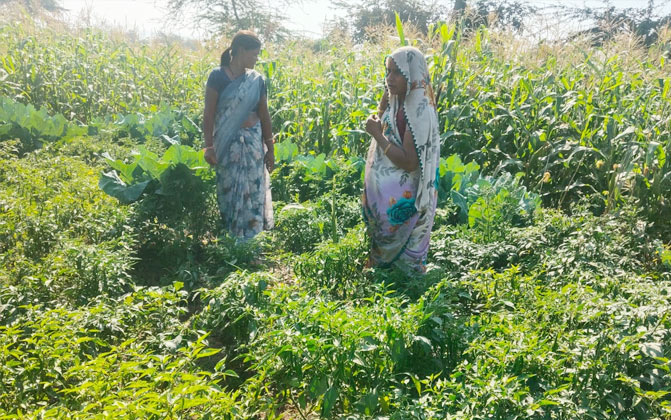
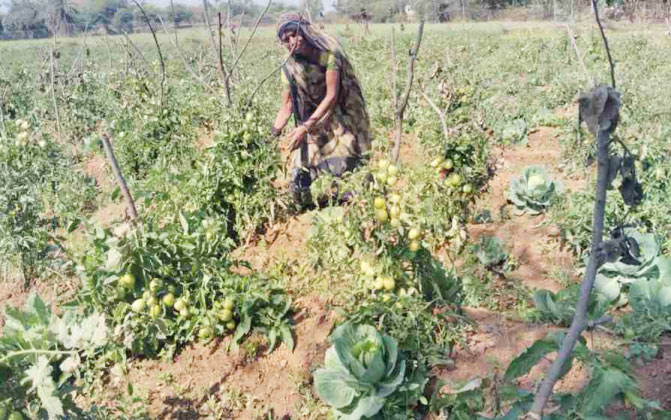
The said Instruments shall be utilized for the Restoring Ecological Diversity and Enhancing Nutrition” project. The main objects of the Memorandum of Association of our society permit our society to undertake its existing activities and the activities for which the funds are being raised through the Issue. The target populations under the project are mainly from smallholder and marginalized farmers rural communities. Tribal Community will be the key focus. The organizations will reach125000 families in 540 villages of Madhya Pradesh, Gujarat and Rajasthan.
Objectives of the Project
Increase the local biodiversity by distributing a variety of native and fruit-bearing trees to families, helping to rebuild ecosystems and promote environmental sustainability.
Provide families with access to nutritious, home-grown fruit by distributing five diverse fruit-bearing trees per household, contributing to improved dietary health.
Encourage families to integrate tree planting into their daily lives, enhancing soil quality, water retention, and resilience to climate change.
Scale of Operation/ implementation
The project will target 125,000 farm families across three key states—Madhya Pradesh (MP), Gujarat, and Rajasthan. These regions represent a diverse mix of agricultural communities that are heavily dependent on traditional farming methods and are facing significant challenges due to ecological degradation, limited water resources, and low agricultural productivity. These families often rely on natural rainfall, with small landholdings (ranging between 0.4 to 1.2 hectares) and limited access to irrigation, resulting in low yields and insufficient food security. Additionally, many of these families face nutritional deficiencies, with diets largely dependent on staple crops like rice, maize, and millet.
The project will specifically target marginalized and smallholder farmers, with an emphasis on households that are vulnerable to food insecurity and malnutrition, particularly during the lean seasons. By focusing on these communities in MP, Gujarat, and Rajasthan, the project aims to address both environmental restoration and nutritional improvement, empowering families to build sustainable livelihoods and improve their health outcomes. Through the distribution of diverse fruit-bearing trees and training in sustainable farming practices, the project will support these households in increasing agricultural resilience, enhancing biodiversity, and improving access to nutritious, locally grown food.